Holiness
Canonised in 1455, his life of prayer, penance and self-giving to the poor and the sick was recognised in his lifetime by whole peoples and confirmed by the Church.
St Vincent Ferrer · 1350–1419
We are promoting the cause for St Vincent Ferrer — Dominican preacher and peacemaker in a divided Europe — to be declared a Doctor of the Universal Church: the Doctor de la Paz.
Purpose
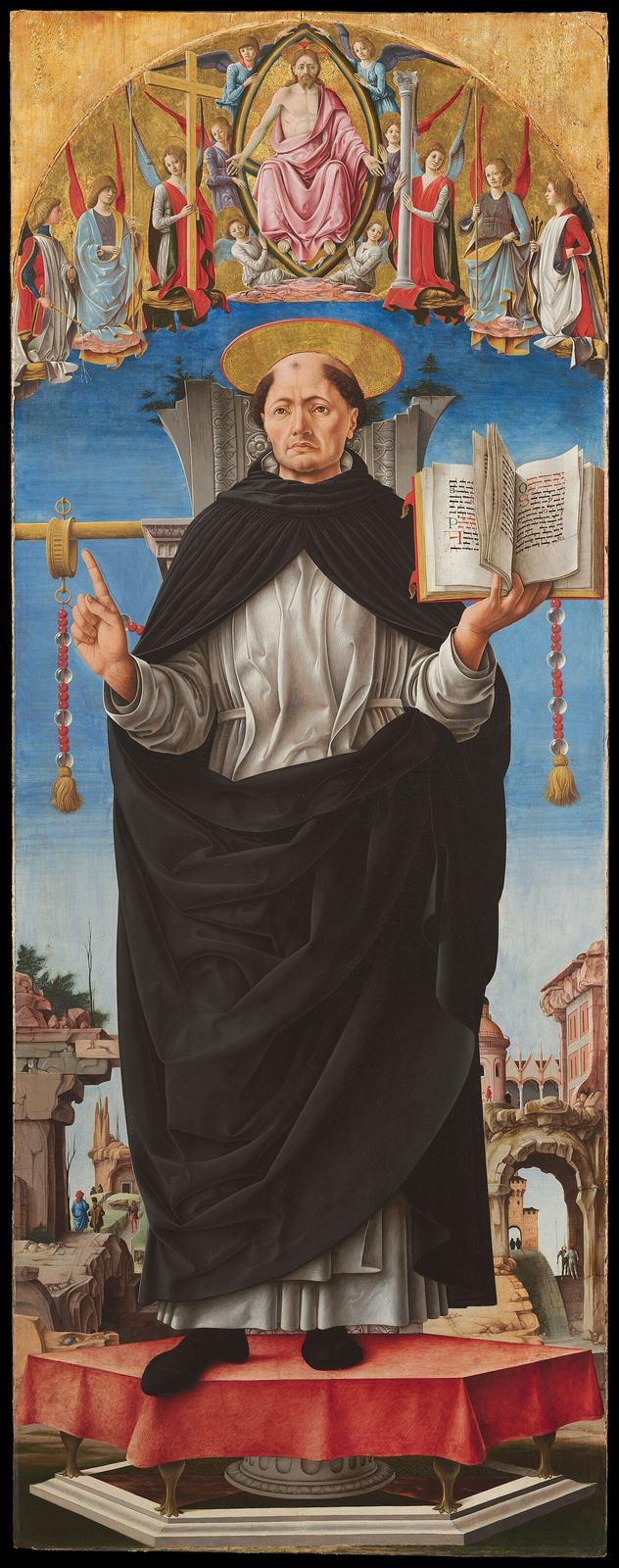
More than six centuries ago, a Valencian friar travelled the roads of Europe on foot, preaching conversion, reconciling warring factions and upholding a Church wounded by the Western Schism. His word was living doctrine: clear, demanding and profoundly merciful.
Today a cause is under way for the Church to recognise St Vincent Ferrer as a Doctor of the Universal Church. Were he proclaimed, he would be the fifth Spanish Doctor, alongside St Isidore of Seville, St Teresa of Jesus, St John of the Cross and St John of Ávila.
This site exists to document his life and work with rigour, to make known his teaching to new generations, and to invite all who wish to join a cause that already enjoys the support of church bodies in Valencia and Vannes.
The cause for the doctorate
Canonised in 1455, his life of prayer, penance and self-giving to the poor and the sick was recognised in his lifetime by whole peoples and confirmed by the Church.
His sermons and his Treatise on the Spiritual Life hand on a sound theology, Thomist in its roots and within everyone's reach: an eminent teaching that still gives light.
He mediated between kingdoms and factions, took part in the Compromise of Caspe (1412) and helped bring the Western Schism to an end. His message is more needed today than ever.
A life on the road
Born into a Christian family, he enters the Order of Preachers as a young man.
He begins two decades of preaching across the Crown of Aragon, Castile, France, Italy and Switzerland.
One of the arbiters who peacefully settle the succession to the Crown of Aragon.
His influence helps end the Western Schism and restore the unity of the Church.
He dies in Brittany, where his relics are venerated in the cathedral.
Callixtus III, himself a Valencian, raises him to the altars.
An open path in which all of us can take part.
Who is behind it
The process is ongoing. The declaration belongs solely to the Holy Father.